In this guide
The best neighborhood in San Diego is the one that matches your daily routine. If you want to walk to dinner and skip the car, look downtown, starting with Little Italy. If the ocean is the point, look at Pacific Beach or Ocean Beach. If you want older homes and a dense restaurant scene, look at North Park. If you want newer housing and more room, look south to Chula Vista.
That is the short answer. The longer one is that San Diego is big and varied. The City of San Diego alone is divided into 52 community planning areas, each with its own community plan, according to the City's Planning Department. The county around it has 18 incorporated cities plus unincorporated communities. Rankings that crown one winner skip the part that matters: what you need from a place.
Start with four questions
Before comparing neighborhoods, answer these honestly. They narrow the list faster than any ranking.
Where do you need to be on weekdays?
Your commute shapes your life more than any view. Work out where you will go most days, then check what the trip looks like at 7:30 a.m. and 5:30 p.m., not on a Sunday. San Diego's freeways bottleneck at predictable points, and a short distance on a map can take a long time at rush hour.
If you would like to ride transit, focus on areas near the trolley or the COASTER. MTS runs the trolley and most buses in the south and central county; NCTD runs the COASTER commuter train up the coast. Our guide to the COASTER train explains how that line works.
Coast or inland?
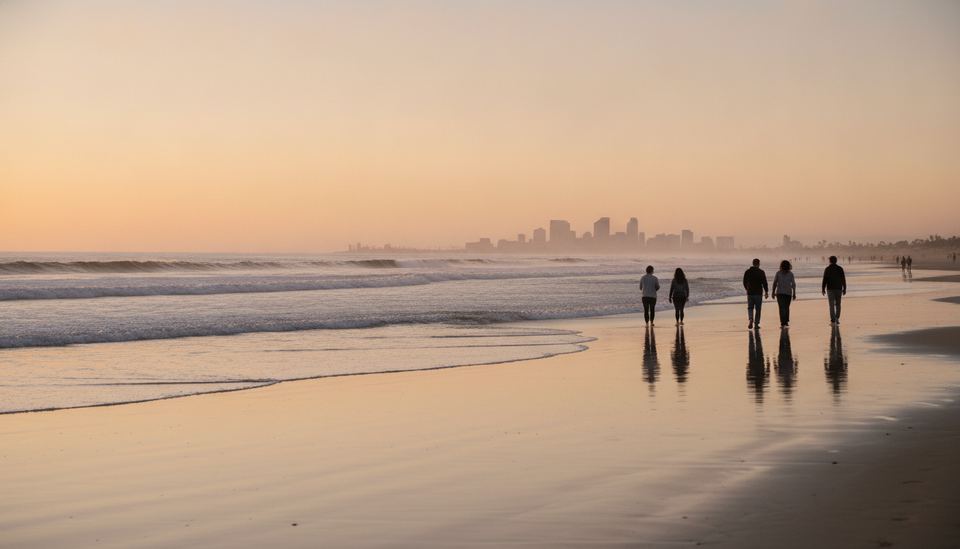
Coastal neighborhoods are often cooler and grayer in late spring and early summer, when the marine layer sits over the shore. Inland areas burn off sooner and get warmer in summer and fall. Neither is better. Some people love the cool, cloudy mornings at the beach. Others move inland to get more sun.
What kind of housing do you want?
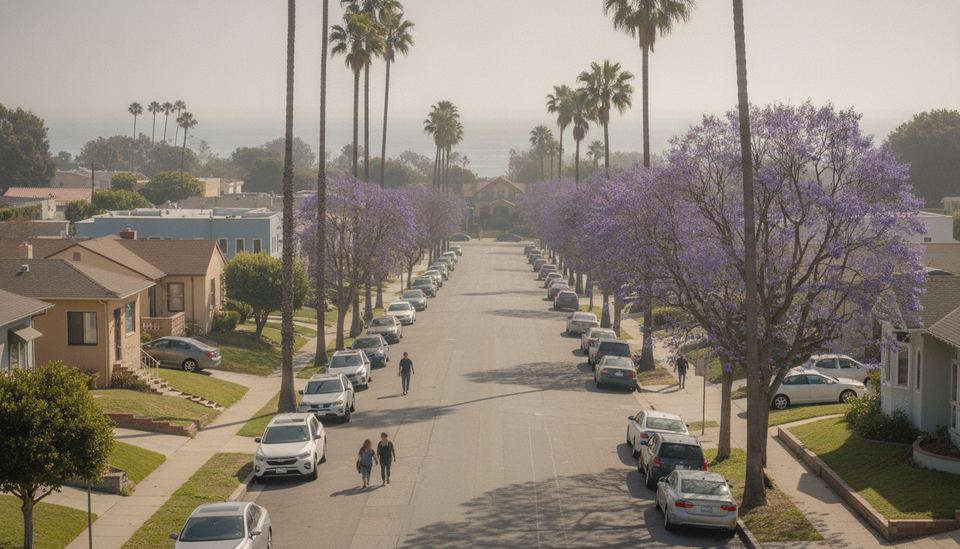
Older central neighborhoods have bungalows, small apartment buildings and character, plus older plumbing and less parking. Newer suburbs have more space, garages and homeowners associations. Downtown is mostly apartments and condos in mid-rise and high-rise buildings.
What does a good Saturday look like?
Surf at dawn? Coffee and a farmers market on foot? Kids' soccer and a big backyard? Live music at night? Be specific. It points you toward one group of neighborhoods quickly.
Neighborhoods by lifestyle
The table below groups the areas we cover by the kind of life they suit. It is a starting point, not a verdict.
| If you want... | Look at | Trade-offs |
|---|---|---|
| Walkable urban life, little or no car | Little Italy and other downtown areas | Mostly apartments and condos, city noise, paid parking |
| Beach life and an active outdoor routine | Pacific Beach, Ocean Beach | Crowds and parking pressure in summer, gray late-spring mornings |
| Older homes, restaurants, central location | North Park | Tight street parking, busy weekend nights near main corridors |
| Newer homes and more space | Chula Vista, especially the east side | More driving, longer trips to central San Diego |
Walkable urban: Little Italy and downtown
Little Italy sits on the north side of downtown near the bay. You can walk to restaurants, cafes and the waterfront, and the trolley is close by. The trade-offs are typical of city living: most homes are apartments or condos, streets stay busy into the evening and parking costs money and patience.
This option suits people who work downtown or nearby, people who would rather not own a car and anyone who likes having errands within a few blocks.
Beach life: Pacific Beach and Ocean Beach
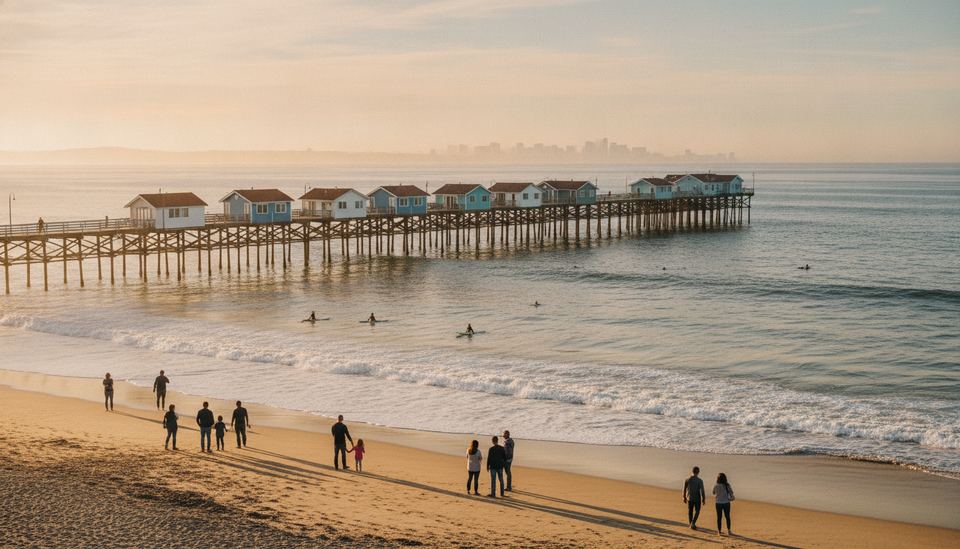
Both are beach neighborhoods with very different moods. Pacific Beach is larger, busier and more built up, with a long boardwalk and a strong nightlife scene near the sand. Our Pacific Beach guide covers what it is like to visit and live there. Ocean Beach is smaller and more laid-back, with a walkable main street and a strong local identity.
Expect summer crowds and parking pressure in both. Expect gray mornings in May and June. And plan to drive for many errands, since neither has trolley service in the middle of the neighborhood.
Character and central location: North Park
North Park is a central neighborhood of older Craftsman bungalows, small apartment buildings and two busy commercial corridors, University Avenue and 30th Street. It is close to Balboa Park and connected to downtown by several bus lines. Our North Park guide goes street by street.
It suits people who want restaurants and coffee within walking distance and like older houses. Street parking is tight, and blocks near the main corridors get loud on weekend nights.
More space: Chula Vista
Chula Vista is its own city in the South Bay and the second-largest in the county. The west side is older, closer to the bay and on the Blue Line trolley. The east side has newer master-planned communities with parks, schools and shopping built in. See our Chula Vista guide for how the two sides differ.
It suits households that want newer homes, a yard or a quieter street and do not mind driving. Check the commute north at rush hour before you decide.
How to test a neighborhood before you commit
A short visit tells you more than any list. Here is a simple routine.
- Go at rush hour and drive or ride your real commute, both ways.
- Walk the exact block at night on a Friday or Saturday to hear what it sounds like.
- Visit on a weekday morning to see parking, street sweeping signs and trash day.
- Come back in May or June if you are looking near the coast, to see the marine layer for yourself.
- Find the nearest grocery store, pharmacy and park and time the walk or drive.
- Read the City's community plan for the area if you are buying, to see what can be built nearby.
Renters should also check how parking works for the building, since many older buildings have little or none.
Other things that matter more than they look
Noise varies block by block. A street one turn off a busy corridor can be quiet, while the main road has buses and nightlife. Flight paths and freeways matter too. Visit before you sign.
Schools and services follow official boundaries, not neighborhood nicknames. Check school assignments with the district and services with the city that actually governs the address. Many places people call "San Diego" are in fact separate cities.
Weather varies more than newcomers expect. A few miles inland can feel noticeably warmer on a summer afternoon than the beach. If heat or gray skies affect your mood, weigh that seriously.
Where to go from here
Pick two or three candidates from the table, read their individual guides and spend a day in each. Most people know within an hour of walking around whether a place feels right. For every area we cover, browse the Neighborhoods section.
Find your fit
Which San Diego neighborhood fits you?
Matches based on your answers:
- Walkable urban life Downtown areas like Little Italy put restaurants, the waterfront and the trolley within a few blocks. Expect apartments, city noise and paid parking. Read our Little Italy guide
- Beach life Pacific Beach and Ocean Beach suit an outdoor routine by the ocean. Plan for summer crowds, gray mornings in May and June and more driving for errands. Read our Pacific Beach guide
- Older streets, central location North Park mixes Craftsman bungalows with busy restaurant corridors near Balboa Park. Street parking is tight and weekend nights can be loud near the main streets. Read our North Park guide
- More space and newer homes Chula Vista, especially the east side, offers newer master-planned communities with parks built in. Expect to drive more and test your commute north at rush hour. Read our Chula Vista guide
Next up: Narrowed it down? See where the money goes when you live in San Diego.
Questions readers ask
What is the best neighborhood in San Diego?
It depends on your priorities. Little Italy suits people who want to walk everywhere downtown, Pacific Beach and Ocean Beach suit beach lovers, North Park suits fans of older homes and restaurants, and Chula Vista suits people who want newer homes and more space.
How many neighborhoods does San Diego have?
The City of San Diego's Planning Department divides the city into 52 community planning areas, each with its own plan. Locals name many more smaller neighborhoods inside those areas, and the county also has 18 incorporated cities.
Are beach neighborhoods in San Diego colder?
Coastal areas are often cooler and grayer in late spring and early summer because of the marine layer, while inland neighborhoods warm up sooner. Visit in May or June if gray mornings would bother you.
Which San Diego neighborhoods work without a car?
Downtown neighborhoods near the trolley, such as Little Italy, are the easiest. Central areas like North Park have frequent bus lines. Beach areas and newer suburbs usually need a car for most errands.